
Google Chrome's "IP Protection" vs. Apple's iCloud Private Relay
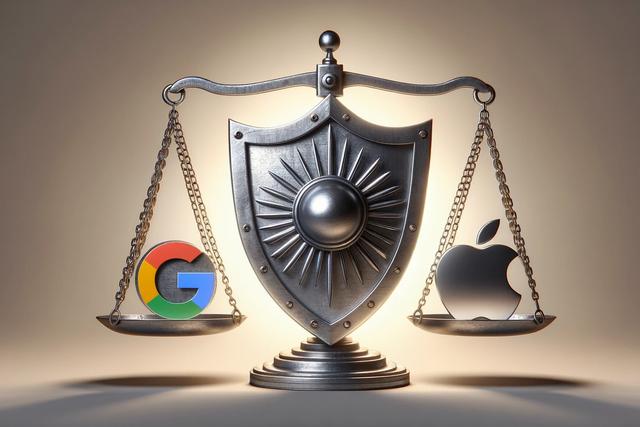
Google and Apple are both pushing browser-level privacy features that reduce how much a website can infer from a user's IP address. Google's recent announcement of its "IP Protection" feature for Chrome follows Apple's iCloud Private Relay, but the two approaches are not the same.
Apple's iCloud Private Relay: A Closer Look
In 2021, Apple introduced iCloud Private Relay for paid iCloud+ subscribers. The feature encrypts traffic from the user's device and routes internet requests through two separate relays. The intention is to stop any single party, including Apple, from building a comprehensive user profile from IP address, location, and browsing activity.
However, this feature is specific to Apple's Safari browser. It is not a full VPN; it is a browser-centric service that protects Safari traffic on iOS, iPadOS, and macOS. The user's internet requests are routed first through an Apple server, then through a partner network like Akamai, Cloudflare, or Fastly, before reaching the intended destination. This dual-hop design means neither party has a complete view of both the user's IP address and the browsing destination.
Google's "IP Protection": Playing Catch-up?
Google's "IP Protection" for Chrome appears to be an answer to Apple's initiative. By masking users' IP addresses using proxy servers, Google aims to preserve user privacy while keeping essential web functions working. Unlike Apple's solution, which is limited to Safari, Google's feature potentially has wider application within the Chrome ecosystem.
However, Google's solution is still early, with phased implementation and limited domain application. Apple has already integrated and offered iCloud Private Relay to its users; Google is still testing its feature.
Can Apple Allow Google's Feature on Chrome?
Given the competitive nature of the technology industry, it remains uncertain whether Apple will allow Google's IP Protection feature on Chrome for Apple devices. With iCloud Private Relay already in place, Apple may see Google's feature as redundant or conflicting with its privacy objectives.
The Bigger Picture: Ad Tracking and Platform Control
Both companies present these changes as privacy improvements, but the platform context matters. Hiding IP addresses does not remove ad tracking, and privacy features can also reinforce platform control. By making privacy protections part of their own browsers and ecosystems, Google and Apple can reduce some third-party visibility while keeping users inside platforms they operate and measure.
Apple's iCloud Private Relay and Google's "IP Protection" both improve some aspects of user privacy, with different approaches and coverage. As Google plays catch-up to Apple in this area, users should understand what these features do and what they leave in place. The goal should be genuine online privacy, and as we've discussed in our article on TLS fingerprinting, network-based fingerprinting is becoming increasingly important for protecting services in this changing environment.