Residential Proxy Detection for Web and API Traffic
Fraudsters and attackers evade website protections by proxying through residential networks, including private networks built before public datasets can label them. Peakhour evaluates the live request, so API traffic does not need JavaScript and browser-side signals can add context when a browser is present.
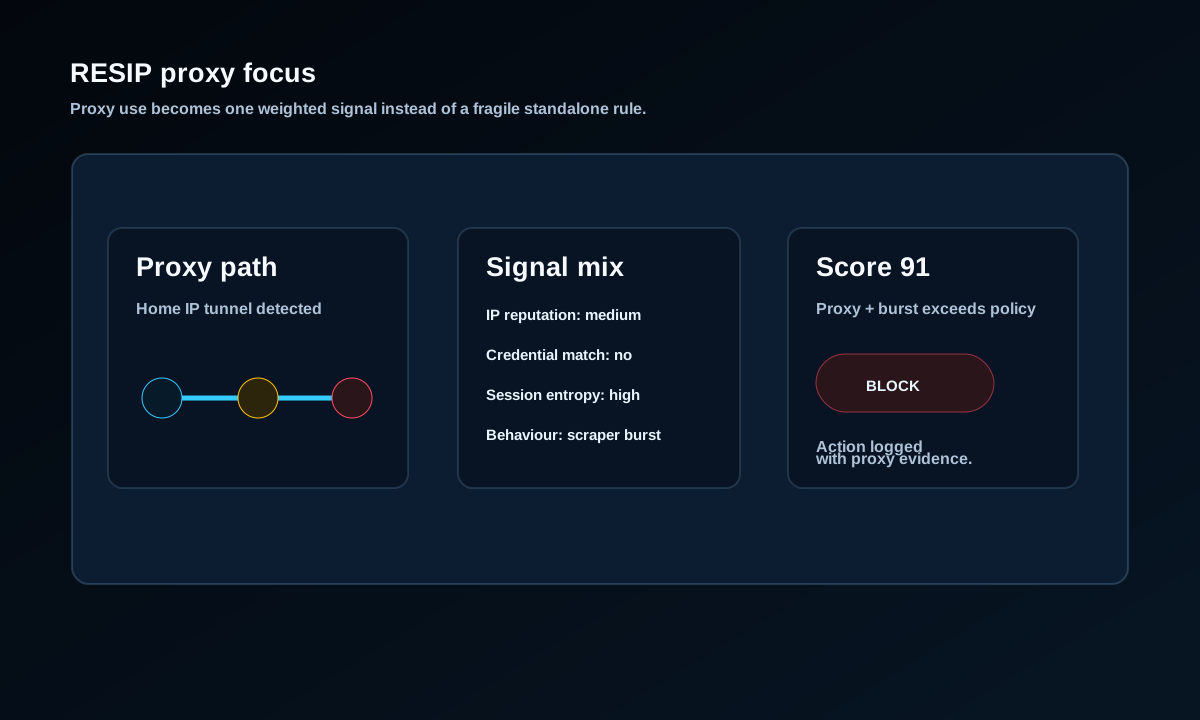
Residential Proxy Traffic Blends Into Legitimate Sessions
Residential proxy traffic often looks normal at first glance because requests exit through real consumer networks. Static proxy databases are too slow for fresh and private proxy networks; Peakhour has seen drift as high as 12% on zero-day proxies. RESIP treats the proxy flag as one signal inside a wider risk decision with IP, credentials, device, behaviour, and request context before policy is applied.
Outruns Proxy Databases
Attackers can assemble private residential proxy networks before public reputation feeds catch up, making database-only detection ineffective against the traffic that matters most.
Enables Large-Scale Fraud
Used for credential stuffing, ad fraud, and e-commerce fraud, leading to significant financial loss.
Facilitates Content Scraping
Allows bots to scrape pricing, content, and other proprietary data without being detected.
Risk Signals Drive Allow, Challenge, and Block Decisions
Peakhour's Residential Proxy Detection (RESIP) evaluates proxy use in the request path and feeds the result into a risk score, so trusted sessions can pass while uncertain or automated traffic is challenged, blocked, or logged with a decision record. Your application does not wait on a separate lookup API. Optional JavaScript can add browser and device evidence, but the core proxy signal also works for direct API clients.
-
Invisible, Real-Time Detection
Evaluate proxy use on each protected web or API request without adding a residential proxy detection API call to application code.
-
Flexible Rule Engine
Use proxy detection as a signal in our firewall rules. Block, challenge, or log traffic based on your specific security policies.
-
Decision Records
Keep proxy traffic patterns, selected actions, and request context available for tuning and security review.
Dashboard Records Keep Proxy Decisions Verifiable
Visual roadmaps explain the decision flow. Dashboard records show how that flow behaves in production by keeping risk inputs, selected action, and event context on the same suspicious request.
Security teams can verify that residential proxy signals are being actioned consistently without turning screenshots into the primary narrative.
Connect Proxy Signals to the Next Control
Bot Management
Feed per-request proxy signals into bot scoring so scrapers, credential tools, and fraud automation can be challenged or blocked with a decision trail.
Account Takeover Protection
Use proxy, credential, device, and session context to stop suspicious login and account-change attempts.
Online Fraud Prevention
Connect residential proxy signals to checkout, promo, click, and transaction controls before bad traffic skews outcomes.
Related evidence
Proxy Abuse Reduced in Production
Customer examples that connect Peakhour controls to production outcomes.

Turn Residential Proxy Use Into Reviewable Action
Learn More About Residential Proxy Detection

Residential Proxies, Friend or Foe?
This article explores the world of residential proxies, revealing the challenges and ethical questions they pose in our GeoIP-dependent digital landscape.
Read More
The Rise of the Dragon
Residential proxy malware, and its implications for traditional cybersecurity measures, emphasising the need for evolving threat detection and mitigation strategies.
Read More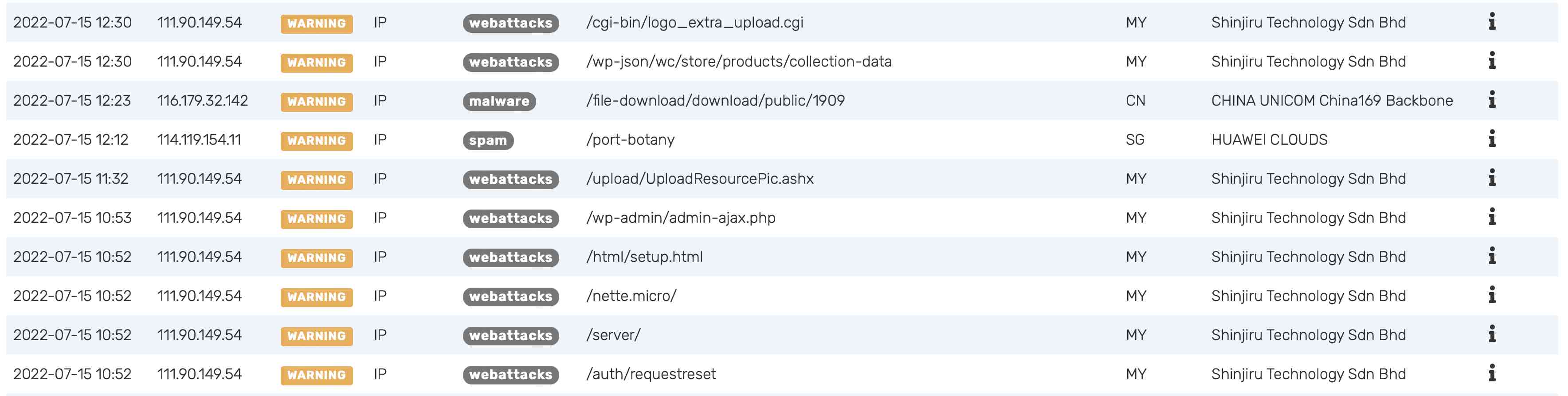
Residential Proxies and MITRE Framework: A Comprehensive Analysis
This article delves into residential proxies within the context of the MITRE ATT&CK; framework, highlighting the security implications and ethical considerations.
Read More