
Bot traffic contaminates A/B testing results and can undermine marketing strategy. Your testing programme is exposed when residential proxy networks generate fake interactions (e.g. click fraud) that appear to come from your target market.
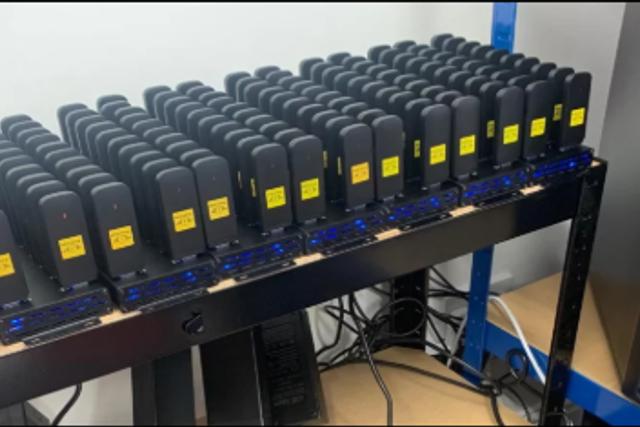
These residential proxies hide behind real household internet connections in the targeted geographic areas. When a bot network routes traffic through Sydney IP addresses to masquerade as real Australians, your analytics counts that traffic as legitimate local engagement. Because the traffic matches your demographic and geographic targeting profile, traditional detection methods become less effective.
This contamination affects the accuracy of the marketing strategy. Your A/B tests should show clear winners, but the results are masked by bot behaviour rather than real user preferences. Marketing teams then optimise campaigns from false signals, wasting budget and time on the wrong opportunities. The data starts driving decisions that harm conversion rates and revenue.
The scale of the problem continues to grow. Residential proxy services now offer millions of local IPs in every market. They rotate these IPs automatically and match real browser characteristics. Without specialised detection such as Peakhour A/B Testing Protection, this traffic can appear identical to genuine users in your analytics.
Each day without detection compounds the damage. Tests generate misleading data that guides strategic decisions. Marketing teams spend hours analysing invalid results and implementing changes that reduce performance. Budget allocated to testing delivers diluted ROI as optimisations based on bot data decrease conversion rates.
Traditional bot protection fails against this distributed threat. IP-based detection cannot identify residential proxy traffic that matches your target geography. Rate limiting proves ineffective against attacks spread across thousands of residential IPs. These bots evade basic JavaScript challenges through sophisticated browser emulation.
Peakhour's A/B Testing Protection uses network fingerprinting to detect residential proxy traffic. Our system analyses subtle patterns in how these proxies connect and behave, identifying bot networks that other solutions miss. We maintain a real-time database of residential proxy services to block new threats as they emerge.
Our customers have discovered that 40% of their test traffic came from bots. After implementing protection, they achieved:
- Valid test results reflecting real user preferences
- Increased conversion rates from accurate optimisation
- Reduced waste of marketing team time and resources
- Protection of testing budget from invalid traffic
- Confidence in strategic decisions based on clean data
The rise of residential proxies has amplified bot threats to A/B testing. Traffic that appears to come from local users may mask sophisticated bot networks. Protecting your testing programme requires detection that goes beyond IP addresses and basic challenges. Contact us to learn how Peakhour can help secure your A/B testing data and keep optimisation decisions grounded in real users.