DDoS Protection
Absorb high-volume surge traffic before it reaches origin, identify Layer 7 floods with anomaly detection, and keep clean requests moving to the application. Peakhour brings managed WAF, rate limiting, traffic controls, bot signals, cache policy, and DDoS mitigation into one operating path, whether Peakhour Edge is the delivery layer or Peakhour adds intelligence to the CDN or edge provider you already run.
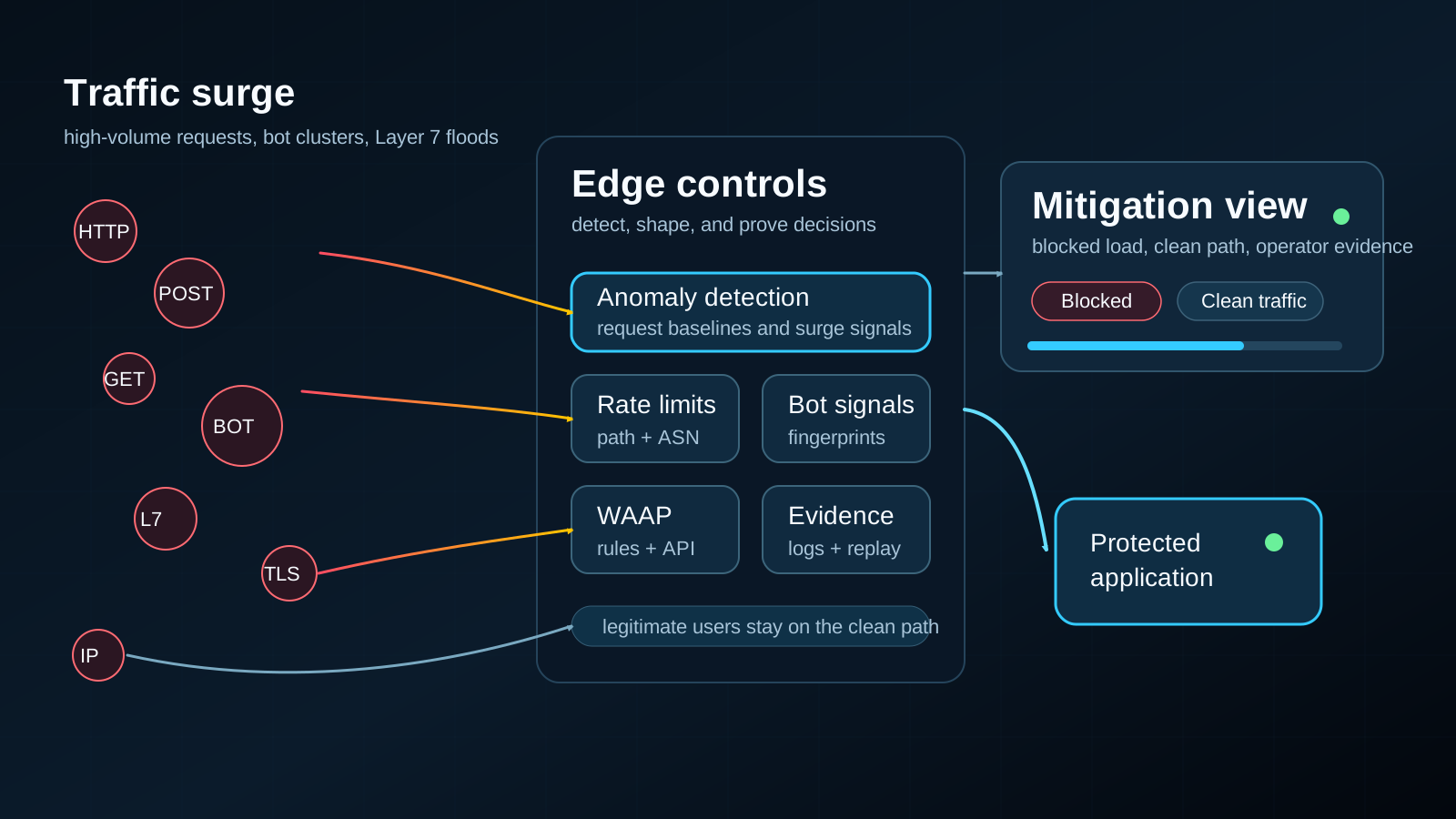
Keep Critical Traffic Moving During Layer 7 Attacks
Protect Your Revenue
With our expertise centred on Layer 7, Peakhour's DDoS protection is designed to meticulously safeguard your applications, websites, and web APIs from targeted attacks that could take your business offline and damage customer trust.
Rate Limits Where Attacks Hit
Set route-aware thresholds for login, API, checkout, and other costly paths. Pair those limits with bot and WAAP context so mitigation targets the abusive request class, not every user behind a busy network.
One Request-Path Operating Model
Run DDoS controls as Peakhour Edge or alongside an existing CDN or edge provider. Routing, rate limits, cache behaviour, alerts, and mitigation records sit in one workflow before emergency traffic arrives.
From Attack Surge to Clean Delivery
Peakhour's Layer 7 controls work as one mitigation path: detect abnormal floods, enforce rate and bot decisions, apply WAAP policy, shape traffic, use cache and origin protection where they help, and deliver legitimate requests while preserving mitigation records.
-
Mitigation for HTTP(S) GET and POST request floods
-
Route-aware rate limits for login, API, checkout, and expensive dynamic paths
-
Cache and origin-protection controls that reduce avoidable origin load during floods
-
One operating model for Peakhour Edge or an existing CDN/edge provider
-
Real-time threat detection, traffic control, and automatic mitigation
Absorb and Shape Flood Traffic Before Origin
When Layer 7 traffic spikes, Peakhour absorbs the surge before origin capacity is consumed and shapes requests in the controlled request path. Teams can define thresholds using route, network, geography, headers, cache state, response patterns, behavioural attributes, and other request signals instead of relying on IP-only limits.
This lets operators throttle, challenge, block, or keep serving specific request classes while legitimate sessions continue through a controlled clean path.
Detect, Decide, and Mitigate in One Control Path
Layer 7 anomaly detection, bot signals, rate limits, and WAAP context are evaluated together so mitigation can be precise instead of broad. Request classes that match attack behaviour are blocked, challenged, throttled, or routed while trusted traffic keeps flowing.
The same control path supports rapid tuning during incidents, allowing operators to tighten policy as attack patterns shift without splitting DDoS, WAF, traffic, and anti-bot work across disconnected tools.
Layered Controls That Adapt as Attacks Change
Threat intelligence, behavioural analysis, cache signals, origin-protection controls, and bot context are continuously evaluated so new attack signatures can be contained before they propagate across your application surface.
Because these controls run in layers, your team can calibrate defences for login, API, and checkout paths independently while keeping the same operating model across Peakhour Edge or an existing edge-provider deployment.
Mitigation Records Confirm Performance
Mitigation telemetry connects attack pressure, rate-limit outcomes, cache and origin effects, selected actions, and clean delivery. Operators can validate that abusive traffic is being suppressed while legitimate requests continue through the protected path.
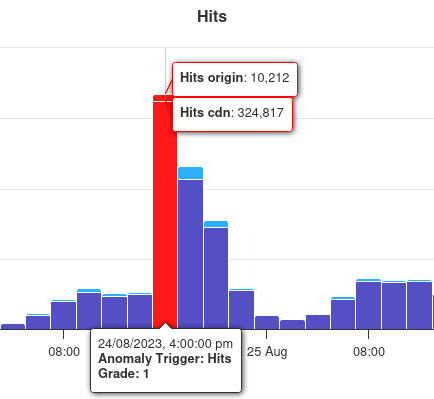
This mitigation view ties attack visibility, mitigation decisions, origin protection, and service continuity together for incident response and post-incident review.
Related evidence
DDoS Pressure Reduced in Production
Customer examples that connect Peakhour controls to production outcomes.

Kitchen Warehouse
COVID-19 Traffic Surge Success
How Australia's #1 online kitchenware retailer thrived during COVID-19's unprecedented traffic surge and achieved 150% revenue growth with Peakhour's performance solutions.

Stone & Chalk
Fintech Hub Enterprise Security
How Australia's leading fintech hub secured hundreds of startups with enterprise-grade application security, zero-day vulnerability protection, and comprehensive threat management.
Connect DDoS Protection to Adjacent Controls
DDoS Mitigation Platform
Plan the request-action workflow for detection, challenge, throttle, block, clean delivery, and review.
Bot Management
Use bot scores, fingerprints, proxy signals, and behaviour to identify automated Layer 7 pressure.
Advanced Rate Limiting
Apply route-aware thresholds and action states when a Layer 7 flood shifts from raw volume to application abuse.
WAAP and WAF Controls
Combine flood response with WAF, API, bot, and rate policy in one operating path.
Traffic Control
Coordinate routing, cache, rate, and security actions when incident response needs practical traffic shaping.
Load Balancing
Keep clean traffic moving to healthy origins while mitigation absorbs abusive traffic before origin.
Origin Shield
Reduce dynamic origin exposure when attacks target costly pages, APIs, or cache-miss paths.
Protect Your Applications from DDoS Attacks
Learn More About DDoS Protection

Layer 7 DoS attacks and Full Page Caching
Discover how Full Page Caching can help mitigate layer 7 DoS attacks.
Read More
Understanding the HTTP/2 Rapid Reset Attack: What It Means and How to Stay Protected
A comprehensive breakdown of the HTTP/2 Rapid Reset flaw and guidance on bolstering defences against potential DDoS attacks.
Read More
Network Fingerprinting for DDoS Protection
How protocol, route, client, and request-shape evidence helps classify Layer 7 pressure during defensive mitigation.
Read More
HTTP/2 Rapid Reset Attack Deepdive
The technicalities of the HTTP/2 Rapid Reset vulnerability and steps to fortify against DDoS threats.
Read More