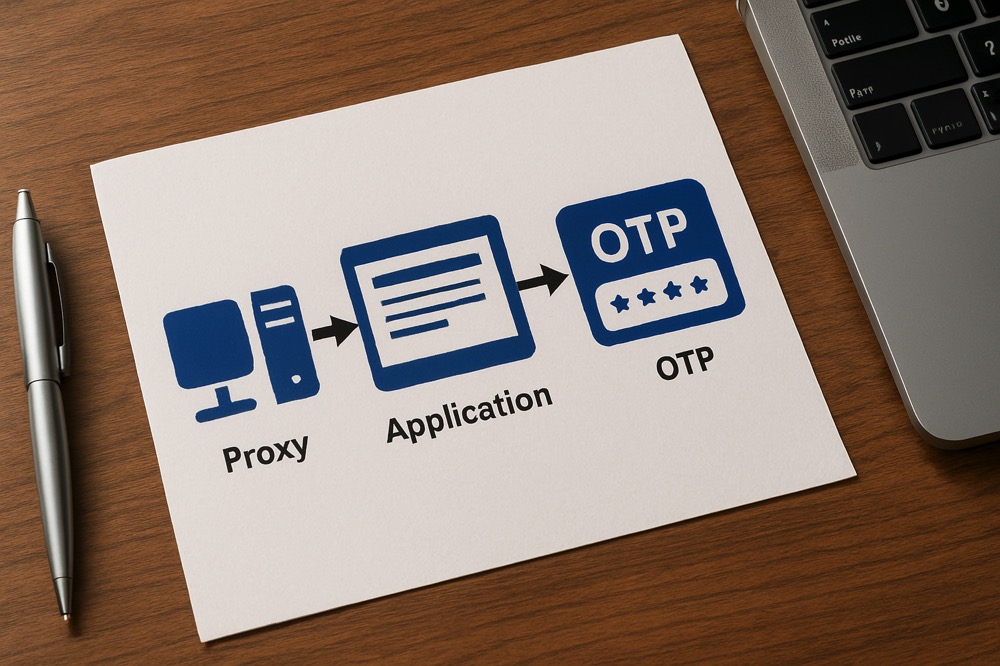
Residential Proxy Detection for APIs Without JavaScript
APIs cannot depend on browser JavaScript to expose proxy abuse. They need server-side network, protocol, identity, route, and outcome evidence in the request path.
Category
Security, performance, and edge delivery articles collected by topic.
APIs cannot depend on browser JavaScript to expose proxy abuse. They need server-side network, protocol, identity, route, and outcome evidence in the request path.
An API cannot simply block automation. The practical job is to decide which automated use belongs on each route, then control the rest without breaking legitimate clients.
API and account protection works best as an operating model: map routes, classify signals, choose proportionate actions, preserve evidence, and tune controls from monitor to enforce.
API bot abuse moves across login, checkout, and account journeys. Defenders need route-aware bot, rate, and account controls that follow the campaign rather than treating each endpoint as a separate incident.
Account protection does not stop at the login form. The same request path carries API, bot, rate, token, and account-risk evidence, and that is where the decision needs to happen.
Credential stuffing risk continues after a password works. Account protection needs to watch password reset, email change, stored payment, gift card, and checkout flows.
Browser and network fingerprints are useful security evidence, but they should not be treated as proof of a person's identity.
Safer logins do not require treating people as products. Account defence should use minimised, purpose-bound risk signals and proportionate decisions.
Residential proxies have changed account abuse from obvious bursts into distributed, low-noise workflows across login, account, and API routes. Treat proxy use as a risk signal, not a blunt block rule.
Shadow APIs matter because attackers do not care whether a route is documented. Mobile, partner, browser-backed, and legacy APIs can all become account-abuse paths when they remain outside normal controls.
Price comparison increasingly depends on current web and API data. Retailers need bot and API controls that can distinguish intended automated access from uncontrolled extraction.
© PEAKHOUR.IO PTY LTD 2026 ABN 76 619 930 826 All rights reserved.